When planning any construction or site work project, understanding local regulations is just as important as the work itself. In Buffalo, MN, hauling excavated material is not simply a matter of loading and transporting soil. There are specific city ordinances, environmental considerations, and compliance standards that must be followed to avoid delays, fines, or project shutdowns.
Whether you are a homeowner preparing for a build or searching for excavation companies near me, knowing the rules ahead of time gives you a clear advantage. Proper hauling practices protect public roads, prevent environmental damage, and ensure that excavation projects move forward without complications.
This guide breaks down what property owners and contractors need to know about hauling excavated material in Buffalo, MN, including permits, transport requirements, disposal rules, and why working with a professional excavation contractor makes a significant difference.
Understanding Excavation and Material Hauling
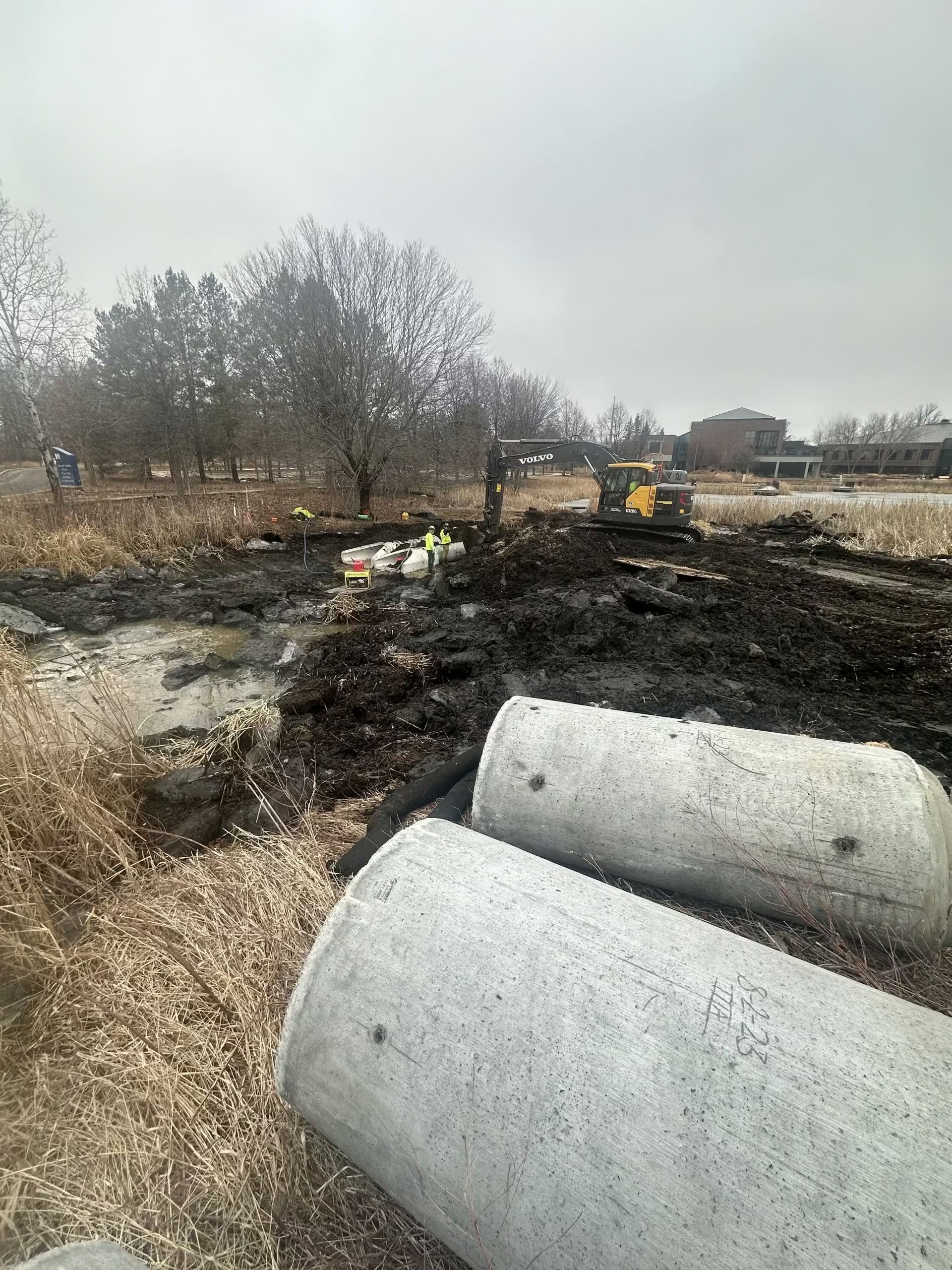
Excavation involves removing soil, rock, or other materials to prepare a site for construction, utilities, or landscaping. Once material is removed, it must be handled responsibly. This includes transporting it to approved locations while following city and state regulations.
Hauling excavated material is a regulated activity because it impacts:
- Road safety
- Environmental protection
- Stormwater systems
- Public infrastructure
If you are planning a project that requires digging, grading, or trenching, working with a contractor who offers full excavation services in Buffalo, MN ensures compliance from the start.
Why Buffalo Regulates Excavated Material Hauling
Cities like Buffalo enforce hauling regulations to protect infrastructure and maintain safety standards. When trucks carry loose soil or debris without proper controls, it can create hazards such as:
- Dirt and debris falling onto roadways
- Damage to pavement from overloaded vehicles
- Sediment entering storm drains
- Dust affecting nearby properties
Regulations are designed to minimize these risks and ensure that excavation work does not negatively impact the surrounding community.
Permit Requirements for Excavation Projects
Before hauling excavated material, most projects in Buffalo require permits. These permits confirm that the work meets city guidelines and that the hauling process is properly planned.
Common Permit Types
- Excavation permits
- Right of way permits
- Utility installation permits
- Grading permits
Each permit may include specific conditions related to hauling, such as approved routes, hours of operation, and cleanup responsibilities.
If your project includes underground utilities, coordinating with professionals who handle sewer and water utility installation can streamline permitting and ensure compliance across all phases.
Hauling Requirements and Best Practices
1. Proper Load Containment
All hauled materials must be secured. This typically means:
- Covering loads with tarps
- Preventing spillage during transport
- Ensuring trucks are not overloaded
Loose material on public roads is a violation and can lead to fines or required cleanup.
2. Approved Hauling Routes
Buffalo may require trucks to follow designated routes to minimize traffic disruption and protect residential areas. These routes are often outlined in permits.
Contractors must plan logistics carefully to:
- Avoid restricted streets
- Reduce impact on local traffic
- Maintain safe transport conditions
3. Street Cleaning Responsibilities
If dirt, mud, or debris is tracked onto public roads, the contractor is responsible for cleaning it. This may involve:
- Sweeping streets
- Removing sediment buildup
- Preventing material from entering storm drains
Failing to maintain clean roadways can result in penalties or project delays.
4. Disposal Regulations
Excavated material cannot be dumped arbitrarily. It must be transported to approved locations such as:
- Licensed disposal sites
- Designated fill areas
- Recycling facilities
Some materials may require special handling depending on composition and environmental factors.
Environmental Considerations in Buffalo, MN
Minnesota places a strong emphasis on environmental protection, especially when it comes to soil and water management.
Hauling excavated material must account for:
- Erosion control
- Sediment runoff prevention
- Protection of nearby waterways
Stormwater management plays a major role in excavation compliance. Integrating hauling with proper drainage planning ensures your site remains stable and environmentally responsible.
Learn more about how drainage systems support compliance through stormwater management services in Buffalo, MN.
The Role of Excavation Contractors in Compliance
Hiring a professional excavation contractor is one of the most effective ways to ensure your project meets all hauling and regulatory requirements.
Experienced contractors handle:
- Permit applications
- Hauling logistics
- Material disposal coordination
- Site cleanup
- Compliance with local ordinances
When searching for excavation companies near me, it is important to choose a team that understands Buffalo’s specific requirements and has a proven track record of compliant work.
Coordination with Land Development and Site Preparation
Excavation and hauling are only one part of a larger process. Proper coordination with land development ensures the entire site functions correctly.
This includes:
- Grading for drainage
- Preparing building pads
- Managing soil stability
- Planning utility placement
Working with a contractor who offers land development services in Buffalo, MN helps align excavation work with long term site performance.
Common Mistakes to Avoid When Hauling Excavated Material
Ignoring Permit Requirements
Starting work without proper permits can result in immediate shutdowns.
Overloading Trucks
Exceeding weight limits damages roads and leads to fines.
Poor Route Planning
Using restricted roads can create safety hazards and violations.
Improper Disposal
Dumping material in unauthorized areas can result in serious penalties.
Lack of Erosion Control
Failing to manage runoff can damage both your site and surrounding properties.
Safety Considerations for Hauling Operations
Safety is a major concern when transporting excavated material. Contractors must ensure:
- Drivers are properly trained
- Equipment is maintained
- Loads are balanced and secure
- Traffic laws are followed
A professional approach reduces the risk of accidents and keeps projects on schedule.
Safety Considerations for Hauling Operations
Safety is a major concern when transporting excavated material. Contractors must ensure:
- Drivers are properly trained
- Equipment is maintained
- Loads are balanced and secure
- Traffic laws are followed
A professional approach reduces the risk of accidents and keeps projects on schedule.
How Local Soil Conditions Impact Hauling
Buffalo, MN soil conditions vary, especially with seasonal changes. Wet soil is heavier and more difficult to transport, while dry soil can create dust issues.
Contractors must adjust hauling practices based on:
- Soil moisture levels
- Weather conditions
- Load weight distribution
This is another reason why working with experienced excavation professionals is critical.
The Importance of Timing in Excavation Projects
Hauling schedules often depend on weather and site conditions. Heavy rain can delay excavation, while frozen ground can complicate removal.
Planning ahead ensures:
- Efficient material transport
- Reduced downtime
- Better coordination with other trades
Integrating Retaining Walls and Soil Management
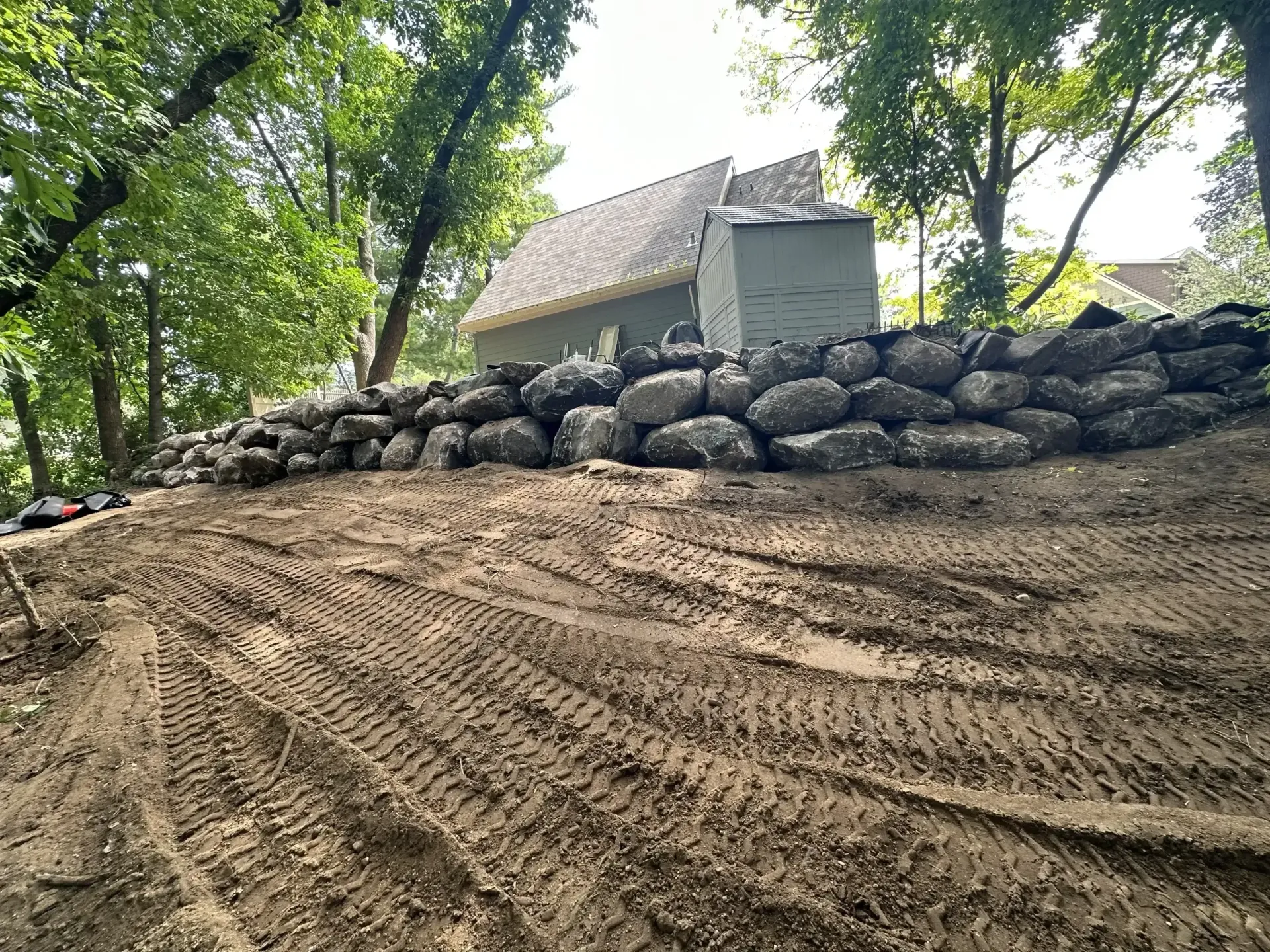
In many projects, excavated material is related to slope stabilization and retaining wall construction.
Proper handling of soil during excavation supports:
- Retaining wall stability
- Drainage performance
- Long term landscape durability
If your project includes slope management, consider integrating hauling plans with retaining wall installation in Buffalo, MN for better results.
Costs Associated with Hauling Excavated Material
Costs vary depending on:
- Volume of material
- Hauling distance
- Disposal fees
- Equipment requirements
While it may be tempting to cut costs, improper hauling often leads to higher expenses later due to fines or rework.
Why Professional Excavation Matters
A qualified excavation contractor does more than move dirt. They ensure that every aspect of the project meets regulatory standards and supports long term performance.
From permit management to final cleanup, professional excavation services provide:
- Compliance assurance
- Efficient project timelines
- Reduced risk of costly mistakes
If you are searching for reliable excavation companies near me, choosing a contractor with local experience is key.
Quick Takeaways
- Buffalo, MN has specific regulations for hauling excavated material
- Permits are required for most excavation projects
- Loads must be secured and transported safely
- Disposal must follow approved guidelines
- Professional contractors help ensure full compliance
- Early planning prevents delays and costly issues
Frequently Asked Questions
Do I need a permit for excavation in Buffalo, MN?
Yes, most excavation projects require permits, especially if they involve public right of way or utilities.
Where can excavated material be disposed of?
Material must be taken to approved disposal or recycling facilities.
What happens if I violate hauling regulations?
You may face fines, project delays, or required cleanup actions.
Can I haul excavated material myself?
Small projects may allow it, but larger jobs typically require professional handling to meet regulations.
How do I find a reliable excavation contractor?
Look for local experience, proper licensing, and knowledge of Buffalo regulations.
Conclusion
Understanding Buffalo’s ordinances for hauling excavated material is essential for any successful construction project. From permits and transport requirements to environmental protection and disposal rules, every step plays a role in keeping your project compliant and on track.
Property owners who plan ahead and work with experienced professionals avoid unnecessary risks and ensure long term success. Excavation is not just about digging. It is about doing the job right from start to finish.
If you are preparing for construction and need expert guidance, now is the time to act.
Strong Call to Action
Do not take chances with excavation compliance.
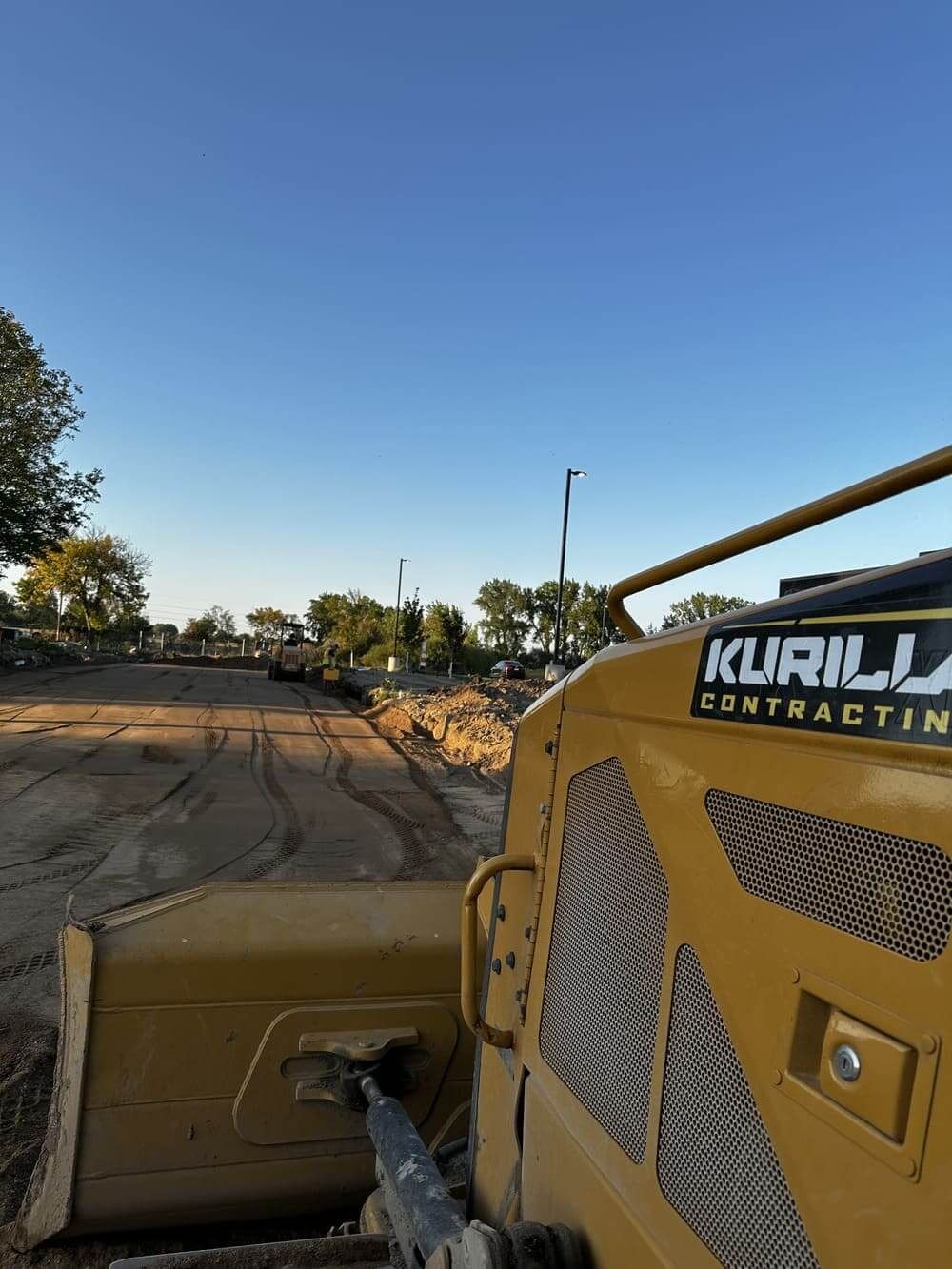
Kurilla Contracting provides professional excavation, hauling, and site preparation services tailored to Buffalo, MN conditions. Their team understands local ordinances and delivers work that meets regulations and stands the test of time.
Serving Buffalo, MN and surrounding areas
Call (763) 464-5966
Request a quote
Get your project started the right way with a contractor who knows how to handle excavation from the ground up.
Other Articles