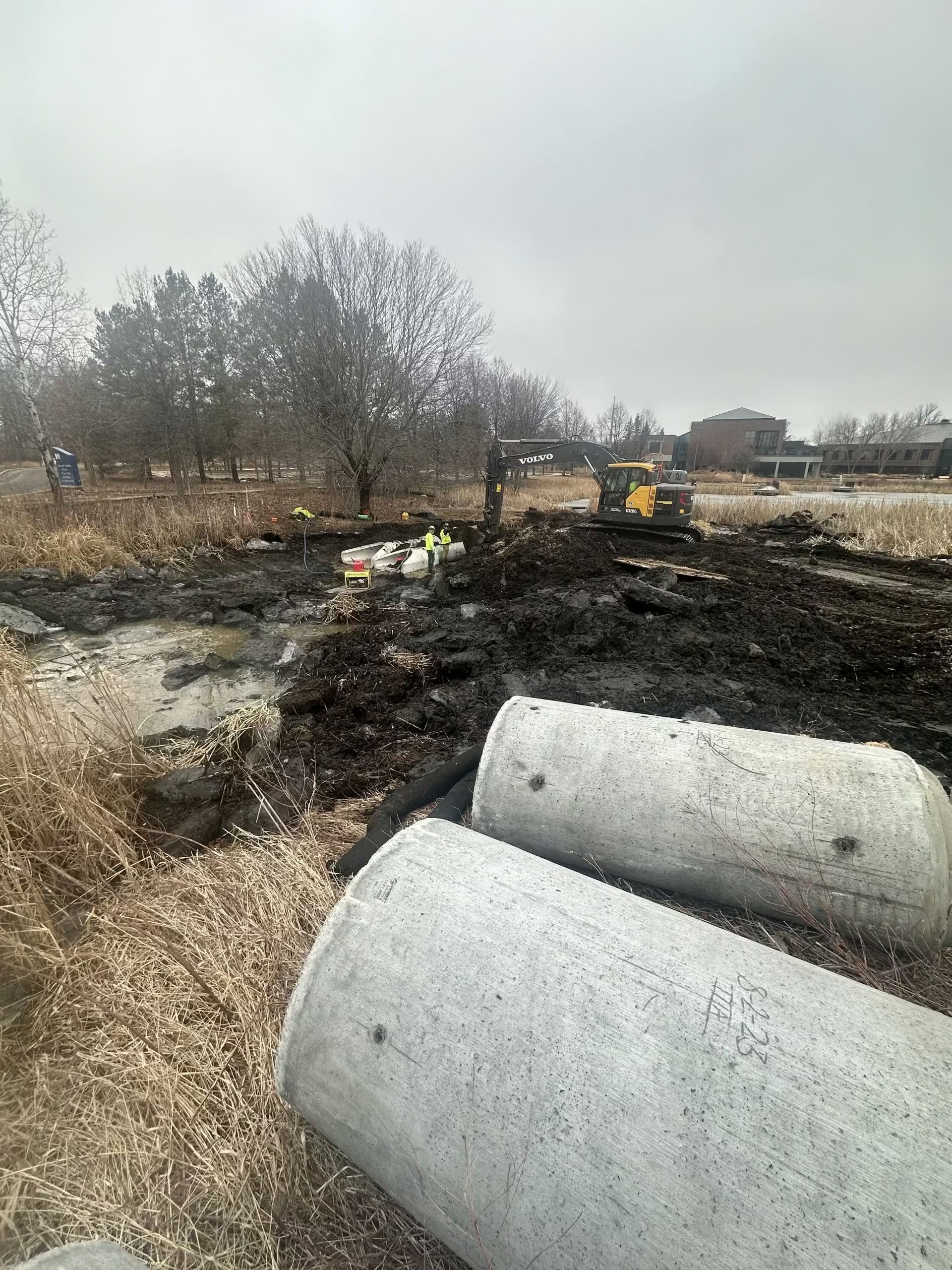
When you are preparing property for construction, water management is not optional. It is foundational. Whether you are developing residential land, building a commercial facility, or improving rural acreage, a properly designed stormwater treatment area protects your investment from the ground up.
For property owners in Buffalo, MN and surrounding areas, understanding the role of stormwater utilities is critical before breaking ground. Without a structured drainage system, runoff can damage foundations, erode soil, overwhelm municipal systems, and create long term compliance issues.
This guide explains what a stormwater treatment area is, how stormwater utilities function, and why integrating them early in your project planning leads to stronger, more durable construction outcomes.
Understanding Stormwater Utilities in Construction
A stormwater utility system is designed to collect, control, treat, and redirect rainwater and snowmelt runoff. In Minnesota, where freeze thaw cycles and seasonal rainfall patterns create fluctuating soil conditions, unmanaged water is one of the most common causes of structural damage.
A stormwater treatment area is a dedicated space within your site plan that slows down runoff and removes sediment, debris, and pollutants before water leaves the property. These areas often include grading features, drainage basins, underground piping, retention or detention systems, and erosion control measures.
Stormwater utilities are commonly installed alongside sewer and water lines during early site development. If you are planning underground utility work, it is smart to coordinate stormwater systems with your broader sewer and water utility installation services to ensure long term efficiency.
Why Stormwater Management Matters Before Construction
Many property owners think about stormwater after they notice pooling or erosion. By then, the cost of correction is significantly higher.
During construction, exposed soil is vulnerable to heavy runoff. Without a controlled stormwater treatment area, water moves quickly across open ground, carrying sediment with it. This can:
- Undermine building pads
- Wash out driveways
- Damage neighboring properties
- Create compliance violations
- Delay inspections
Planning for stormwater utilities early protects your construction schedule and helps you meet local and state regulations.
In Buffalo, MN, soil composition combined with seasonal moisture shifts makes proactive drainage design especially important. When water repeatedly saturates soil near foundations, it expands and contracts during freeze cycles, increasing the risk of cracking and structural shifting.
Key Benefits of a Stormwater Treatment Area
1. Erosion Control That Protects Your Investment
One of the primary benefits of a stormwater treatment area is erosion control. During and after construction, stabilized runoff prevents soil displacement around foundations, retaining walls, and utility trenches.
Without erosion control, you may face:
- Landscape washouts
- Exposed footings
- Settlement around concrete slabs
- Drainage channel formation
A properly engineered system slows water movement and directs it through planned pathways rather than allowing uncontrolled flow.
2. Improved Drainage and Foundation Protection
Water that accumulates around a structure increases hydrostatic pressure against foundation walls. Over time, this pressure contributes to cracking and moisture intrusion.
A well designed stormwater treatment area redirects runoff away from structures while allowing gradual infiltration into safe zones. When paired with professional grading and excavation, the system supports stable long term performance.
If you are still in the early stages of development, integrating stormwater planning with professional site excavation services in Buffalo, MN ensures proper slope, elevation control, and soil compaction from day one.
3. Regulatory Compliance and Inspection Approval
Stormwater management is not just about protection. It is also about compliance.
Local and state agencies often require stormwater control plans for new construction projects. Failure to implement approved systems can result in:
- Permit delays
- Fines
- Stop work orders
- Required retrofits
A properly designed stormwater treatment area demonstrates that your project accounts for runoff control, sediment management, and environmental protection.
Working with experienced contractors who understand regional requirements reduces the risk of costly setbacks.
4. Reduced Long Term Maintenance Costs
Uncontrolled drainage leads to repeated repair expenses. These may include:
- Regrading
- Replacing washed out landscaping
- Repairing cracked pavement
- Addressing basement water intrusion
A stormwater utility system reduces these risks by controlling water movement from the start.
While there is an upfront investment in installing a stormwater treatment area, it typically saves property owners significant repair costs over the lifespan of the structure.
5. Increased Property Value and Market Appeal
Buyers and developers increasingly look for properties with established drainage solutions. A site that demonstrates strong water management is viewed as stable, compliant, and lower risk.
A professionally installed stormwater treatment area enhances:
- Usable land area
- Landscaping longevity
- Structural durability
- Overall project credibility
For commercial property owners, this can improve tenant confidence and long term asset performance.
How a Stormwater Treatment Area Works
A stormwater treatment area relies on several coordinated components:
Grading and Slope Design
The land is shaped to guide runoff toward designated collection points.
Drainage Basins
Basins temporarily hold water, allowing sediment to settle before discharge.
Underground Pipe Systems
Piping moves water safely through the site without surface disruption.
Filtration Media
Stone beds and soil layers filter out sediment and contaminants.
Controlled Outflow Points
Water exits the site at regulated rates to prevent downstream flooding.
When integrated correctly, these elements form a complete stormwater utility system that protects both your property and surrounding areas.
The Role of Excavation in Stormwater Installation
Stormwater systems depend heavily on accurate excavation. Improper trench depth, poor compaction, or uneven grading can compromise the entire design.
During installation, contractors must:
- Excavate to engineered elevations
- Compact base materials properly
- Install drain pipe with precise slope
- Backfill with appropriate aggregate
Precision matters. Even small grading errors can cause water to pool instead of flow.
For property owners preparing for construction in Buffalo, coordinating excavation with underground utility installation ensures alignment between stormwater systems and structural elements.
Stormwater Treatment Areas in Minnesota Climate Conditions
Minnesota weather presents unique challenges. Snow accumulation, spring thaw, heavy rainfall events, and freeze cycles all influence runoff patterns.
A stormwater treatment area designed for this climate must:
- Account for snowmelt volume
- Prevent ice related pipe blockage
- Resist soil shifting from freeze expansion
- Handle peak rainfall events
Ignoring these factors increases the likelihood of premature system failure.
Local experience makes a difference when designing stormwater utilities for this region.
When Should You Install a Stormwater Utility?
The best time to install a stormwater treatment area is during initial site development. Installing the system early allows it to function throughout the construction process, protecting exposed soil and infrastructure.
Delaying installation can create:
- Erosion damage before final grading
- Rework expenses
- Schedule delays
Property owners preparing for construction should consult with a contractor before excavation begins to determine drainage requirements.
Common Misconceptions About Stormwater Utilities
“My Property Is Flat, So I Do Not Need One”
Even flat properties generate runoff. Without proper drainage design, water may pool and saturate soil near foundations.
“Stormwater Systems Are Only for Commercial Projects”
Residential construction also benefits from stormwater treatment areas, especially on larger lots or sloped terrain.
“It Is Just a Drain Pipe”
Effective stormwater management requires a complete system, not just a single drainage line.
Integrating Stormwater with Retaining Walls and Site Development
In many projects, stormwater utilities work alongside retaining walls and grading features.
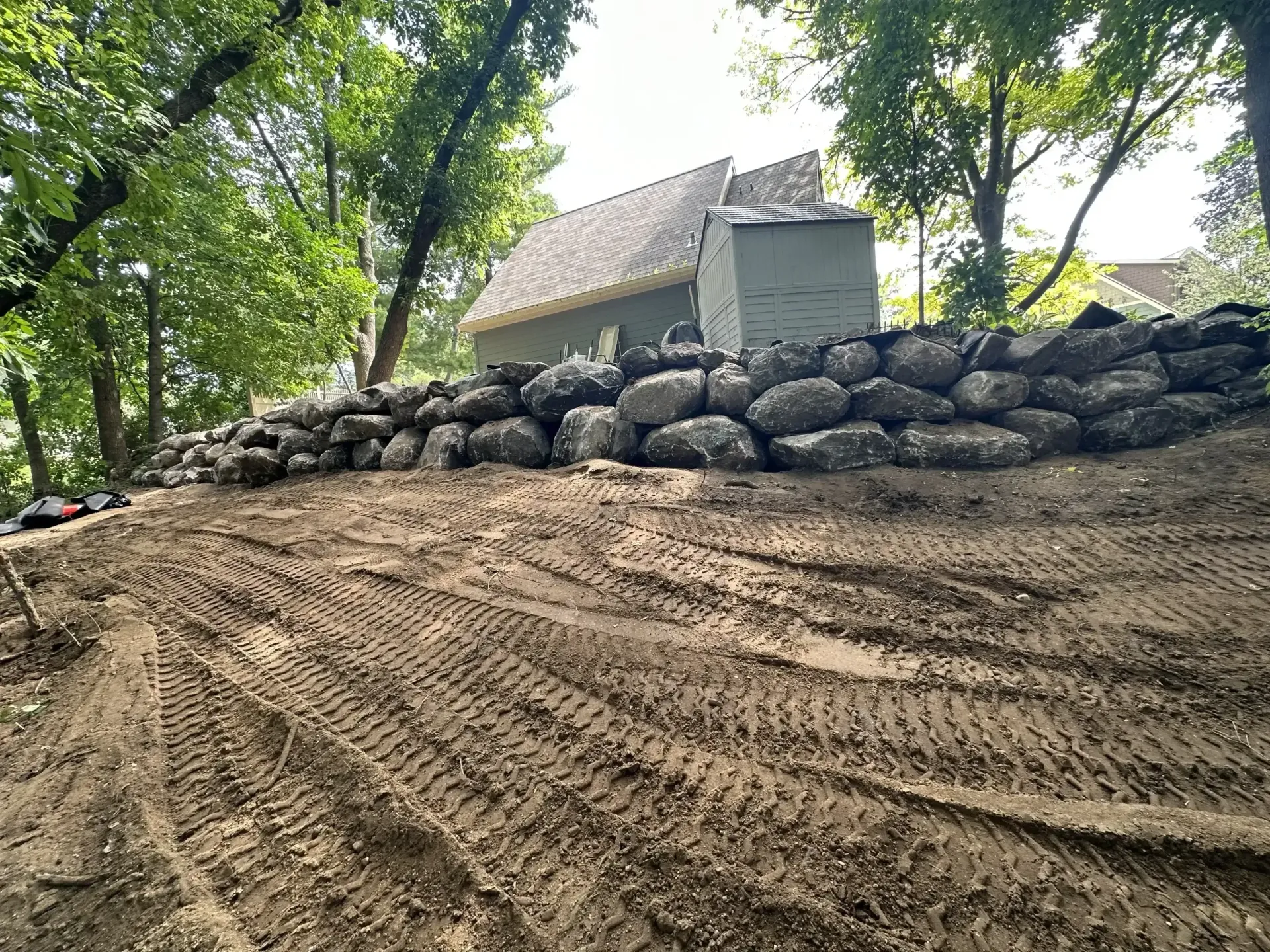
Retaining walls may require drainage stone and perforated piping to relieve pressure. Coordinating these systems prevents water buildup behind structural elements.
If your project includes slope stabilization, combining a stormwater treatment area with professional retaining wall construction improves overall site stability.
Long Term Environmental Benefits
Stormwater treatment areas reduce sediment and pollutants entering municipal systems and natural waterways.
Benefits include:
- Improved water quality
- Reduced flooding risk
- Lower strain on public infrastructure
- Enhanced soil stability
Property owners who prioritize stormwater management contribute to broader environmental protection while safeguarding their own investments.
Cost Considerations for Property Owners
The cost of installing a stormwater treatment area varies based on:
- Site size
- Soil conditions
- Elevation changes
- Required filtration components
- Municipal requirements
While each project is unique, early integration into your construction budget typically reduces unexpected expenses later.
Investing in stormwater infrastructure during initial development is far more cost effective than retrofitting after problems arise.
Signs Your Project Needs a Stormwater Treatment Area
You should strongly consider stormwater planning if your property includes:
- Sloped terrain
- Visible erosion after rainfall
- Heavy clay soils
- Nearby wetlands or waterways
- Large paved surfaces
- Planned foundation excavation
If any of these conditions apply, proactive planning is essential.
Choosing the Right Contractor for Stormwater Utilities
Stormwater installation requires precision, equipment capability, and knowledge of local regulations.
When evaluating contractors, look for:
- Experience with sewer, water, and storm systems
- Knowledge of Buffalo, MN soil conditions
- Proven excavation expertise
- Clear communication about drainage design
A coordinated approach ensures your stormwater treatment area integrates seamlessly with the rest of your utility infrastructure.
Final Thoughts on Stormwater Utilities
For property owners preparing for construction, water management is one of the most important decisions you will make. A properly designed stormwater treatment area protects your structure, preserves soil stability, supports regulatory compliance, and reduces long term maintenance costs.
Ignoring runoff management can compromise foundations, landscaping, and overall site integrity. Addressing it early positions your project for long term durability and success.
If you are planning construction in Buffalo, MN or surrounding areas, now is the time to evaluate your stormwater needs.
Strong Call to Action
Do not leave drainage to chance.
Kurilla Contracting provides professional stormwater utility installation, excavation, and underground infrastructure services designed for Minnesota soil and weather conditions.
If you are preparing for construction and need a reliable stormwater treatment area built the right way, contact Kurilla Contracting today.
Serving Buffalo, MN and surrounding communities
Call (763) 464-5966
Schedule your consultation through our contact page
Build with confidence. Protect your investment from the ground up.
Other Articles