Excavation in Minnesota does not stop just because the ground freezes. For homeowners and contractors alike, winter excavation can be the right solution when projects cannot wait until spring. Whether you are planning a foundation, utility installation, septic work, or site prep, understanding how winter conditions impact excavation helps you plan smarter and avoid surprises.
Minnesota winters bring frozen soil, snow cover, and colder temperatures, all of which change how excavation crews approach a job. While winter excavation requires specialized equipment and experience, it is often just as reliable as warm weather work when done correctly. In some cases, it can even speed up project timelines by avoiding the busy spring and summer seasons.
This guide explains how excavation in Minnesota works during winter, what techniques are used to handle frozen ground, and what homeowners and contractors should expect when scheduling cold weather excavation.
Why Excavation Still Happens During Minnesota Winters
AMinnesota has a limited construction season, and waiting for spring is not always practical. Many excavation projects are time sensitive, especially for contractors working on tight schedules or homeowners dealing with emergency repairs.
Winter excavation is common for:
- Utility repairs and installations
- Septic system work
- Foundation excavation
- Drainage improvements
- Driveway and access preparation
- Commercial and agricultural projects
Experienced excavation contractors plan winter work differently, but the core process remains the same. Proper preparation and equipment make excavation in Minnesota possible year round.
What Happens to Soil When the Ground Freezes
Frozen ground is one of the biggest challenges of winter excavation. In Minnesota, frost can penetrate several feet below the surface depending on soil type, moisture, and temperature.
When soil freezes:
- It becomes harder and more compact
- Standard digging takes more time
- Ice lenses can form, increasing soil expansion
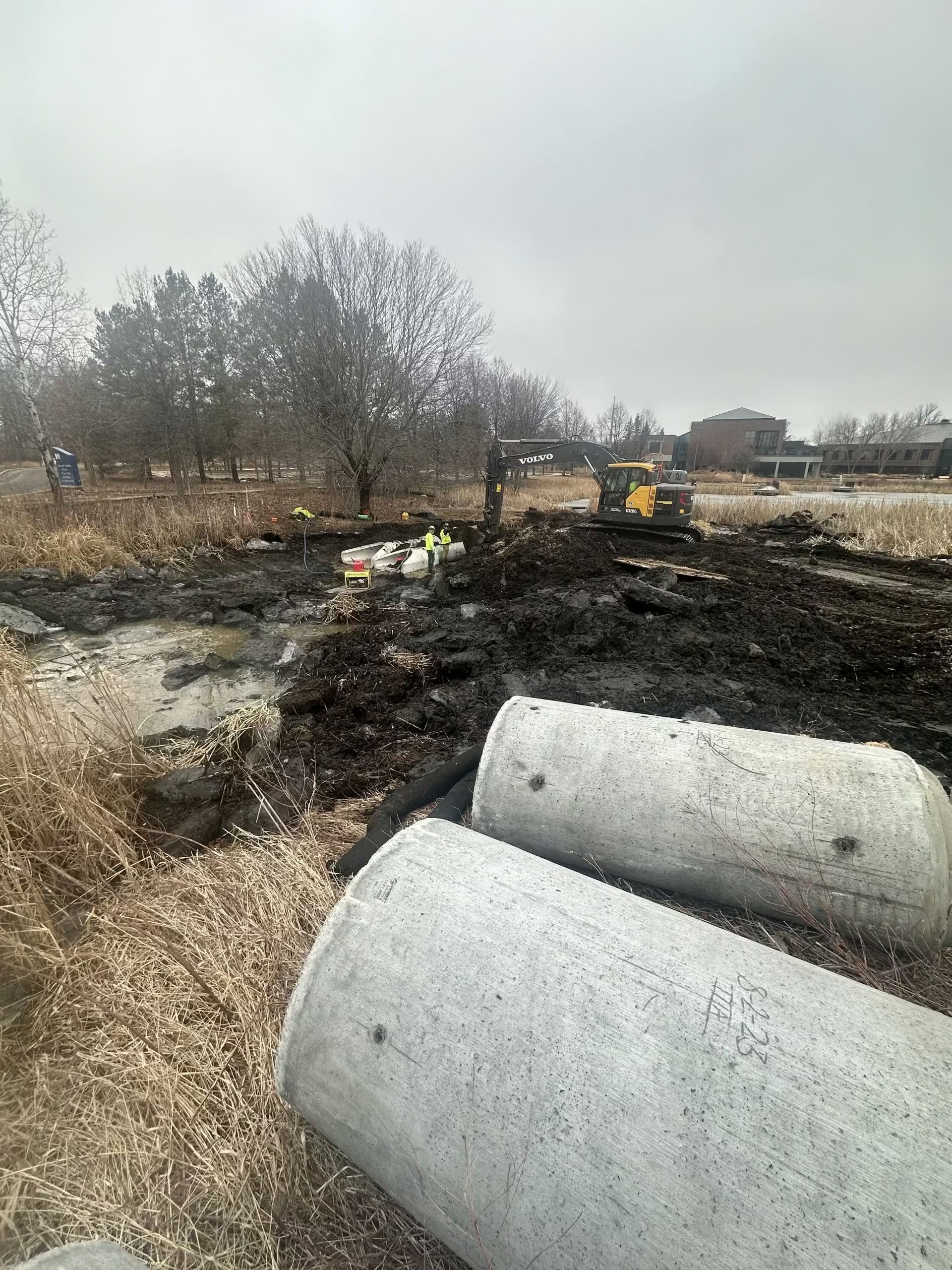
- Surface snow hides obstacles and grade changes
Clay soils, which are common in many parts of Minnesota, freeze harder than sandy soils. This directly impacts excavation methods and timelines.
How Excavation Crews Break Through Frozen Ground
Winter excavation relies on specialized techniques to safely and efficiently break through frozen soil.
Frost Ripping and Hydraulic Hammers
Heavy equipment fitted with frost teeth or hydraulic breakers is commonly used. These tools fracture frozen soil into manageable sections without damaging surrounding areas.
Ground Thawing Methods
For projects requiring precision, contractors may use ground thawing techniques such as:
- Ground heaters
- Hydronic heating blankets
- Insulated ground covers
These methods gradually warm the soil before excavation begins, reducing wear on equipment and improving accuracy.
Controlled Excavation Techniques
Winter excavation often involves slower, more controlled digging to maintain safety and prevent excessive soil disturbance. Experienced operators know how to read frozen soil conditions and adjust accordingly.
Equipment Used for Winter Excavation in Minnesota
Excavation in Minnesota during winter requires machines designed to handle extreme conditions. Common equipment includes:
- Excavators with frost buckets
- Skid steers with cold weather attachments
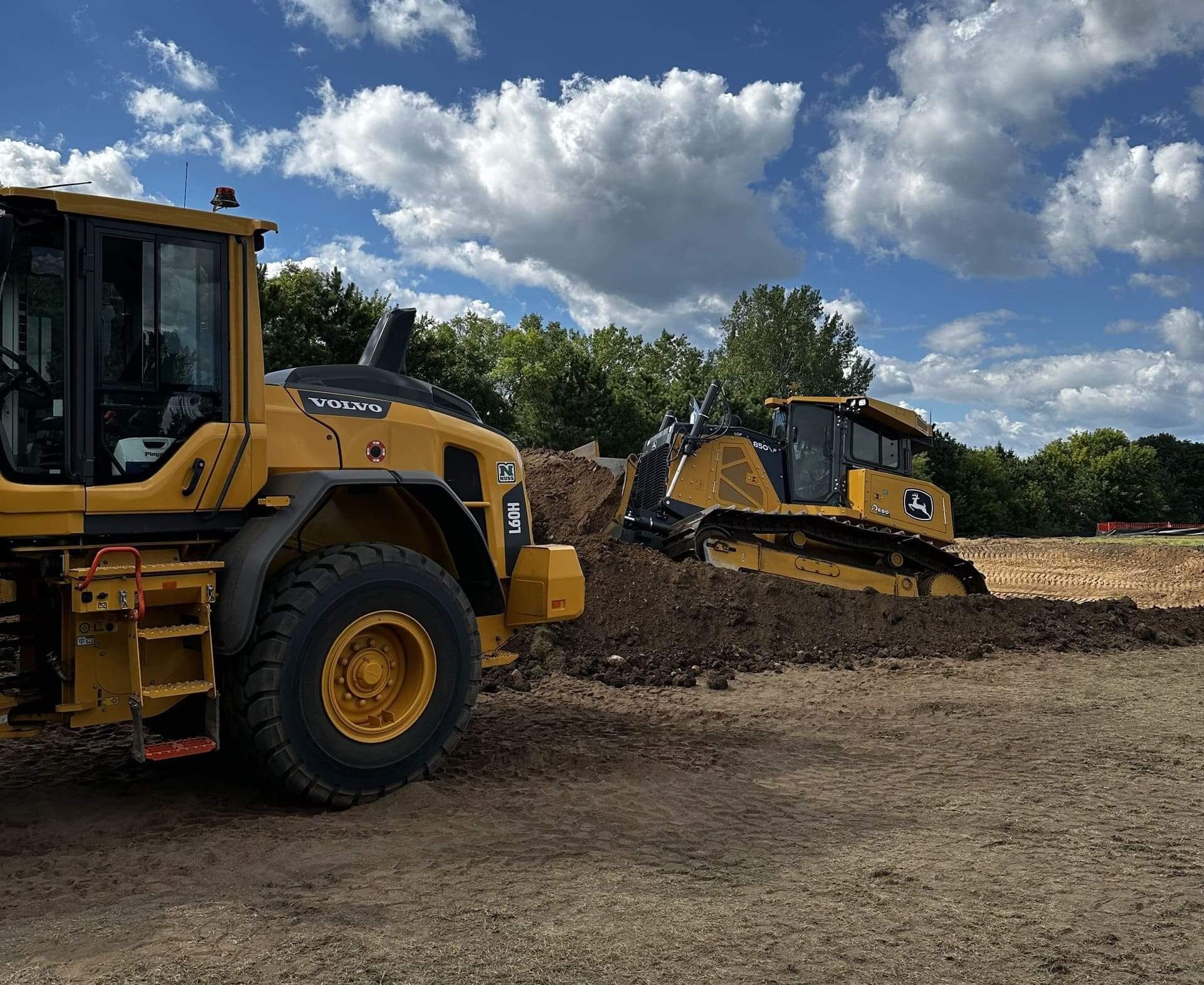
- Dozers with ripper teeth
- Loaders equipped for snow management
All equipment must be winterized to prevent breakdowns, including proper fluids, battery maintenance, and cold start procedures.
Safety Considerations During Cold Weather Excavation
Safety is critical during winter excavation. Cold temperatures increase risks for both crews and property owners.
Key safety considerations include:
- Proper visibility in snow covered areas
- Ice management around excavation zones
- Trench safety in frozen soil conditions
- Equipment stability on icy ground
Professional excavation contractors in Minnesota follow strict safety protocols to protect workers, clients, and nearby structures.
Does Winter Excavation Take Longer?
In many cases, winter excavation does take more time than summer work. Frozen soil, snow removal, and reduced daylight all factor into scheduling.
That said, experienced contractors plan for these conditions. With proper preparation, winter excavation can stay on schedule and meet project deadlines. Contractors often build extra time into winter projects to account for weather changes.
Cost Differences for Excavation in Minnesota During Winter
Winter excavation can sometimes cost more due to:
- Additional labor time
- Specialized equipment usage
- Ground thawing requirements
- Snow and ice management
However, there are situations where winter excavation balances out costs. Contractors may have more availability during winter months, and project delays are less common due to scheduling conflicts.
Homeowners should discuss winter pricing upfront to understand how cold weather affects the total project cost.
Benefits of Winter Excavation for Homeowners and Contractors
Despite the challenges, winter excavation offers several advantages.
Faster Project Starts
Avoiding spring backlogs allows projects to start sooner. This is especially helpful for contractors planning early season builds.
Less Site Disruption
Frozen ground can reduce surface damage to surrounding areas, especially in residential yards and established landscapes.
Improved Scheduling Flexibility
Winter excavation allows contractors and homeowners to plan ahead and avoid peak season delays.
Permits and Inspections During Winter
Permits and inspections still apply to excavation in Minnesota during winter. Local municipalities may adjust inspection schedules due to weather, but requirements remain the same.
It is important to work with an excavation contractor who understands local regulations and coordinates inspections accordingly, even during colder months.
Preparing Your Property for Winter Excavation
Homeowners can help ensure a smooth winter excavation by:
- Clearing snow from access areas
- Marking utilities in advance
- Removing obstacles near the work zone
- Planning for temporary access limitations
Good preparation saves time and helps crews work safely and efficiently.
Common Myths About Winter Excavation
Many people assume excavation cannot be done in winter, but that is simply not true.
Common misconceptions include:
- Frozen ground is impossible to dig
- Winter excavation damages soil permanently
- Projects always cost significantly more
- Work quality is lower in cold weather
With the right contractor, winter excavation meets the same quality standards as warm weather work.
Quick Takeaways
- Excavation in Minnesota continues year round, even in winter
- Frozen ground requires specialized equipment and techniques
- Winter excavation may take more time but remains reliable
- Safety planning is critical during cold weather projects
- Costs vary based on soil conditions and thawing needs
- Winter scheduling can help avoid peak season delays
Excavation during Minnesota winters is not only possible, it is often the right solution when timelines matter. With the proper equipment, planning, and experience, cold weather excavation delivers dependable results for homeowners and contractors alike. Understanding how frozen soil behaves, what techniques are used, and how winter affects cost and scheduling helps set realistic expectations before work begins.
If you are planning a project that cannot wait until spring, working with an experienced local excavation contractor makes all the difference. A knowledgeable crew understands Minnesota soil conditions, winter safety standards, and how to keep projects moving even when temperatures drop. Proper communication and preparation ensure your excavation work is completed efficiently and safely, regardless of the season.
Contact us today!
Other Articles