Retaining walls play a critical role in protecting residential properties, especially in areas with changing elevations, drainage challenges, and seasonal weather shifts. If you own a home in Buffalo, MN, you may already be seeing signs that your yard or landscape needs extra support. A properly built block wall retaining wall can prevent erosion, manage water flow, and create usable outdoor space that adds long-term value to your property.
Many homeowners are unsure when a retaining wall becomes necessary. This guide walks through the most common warning signs, explains how retaining walls work, and helps residential property owners understand whether retention wall blocks are the right solution for their yard. If you are dealing with slopes, shifting soil, or water problems, this article will help you make a confident and informed decision.
What Is a Retaining Wall and What Does It Do?
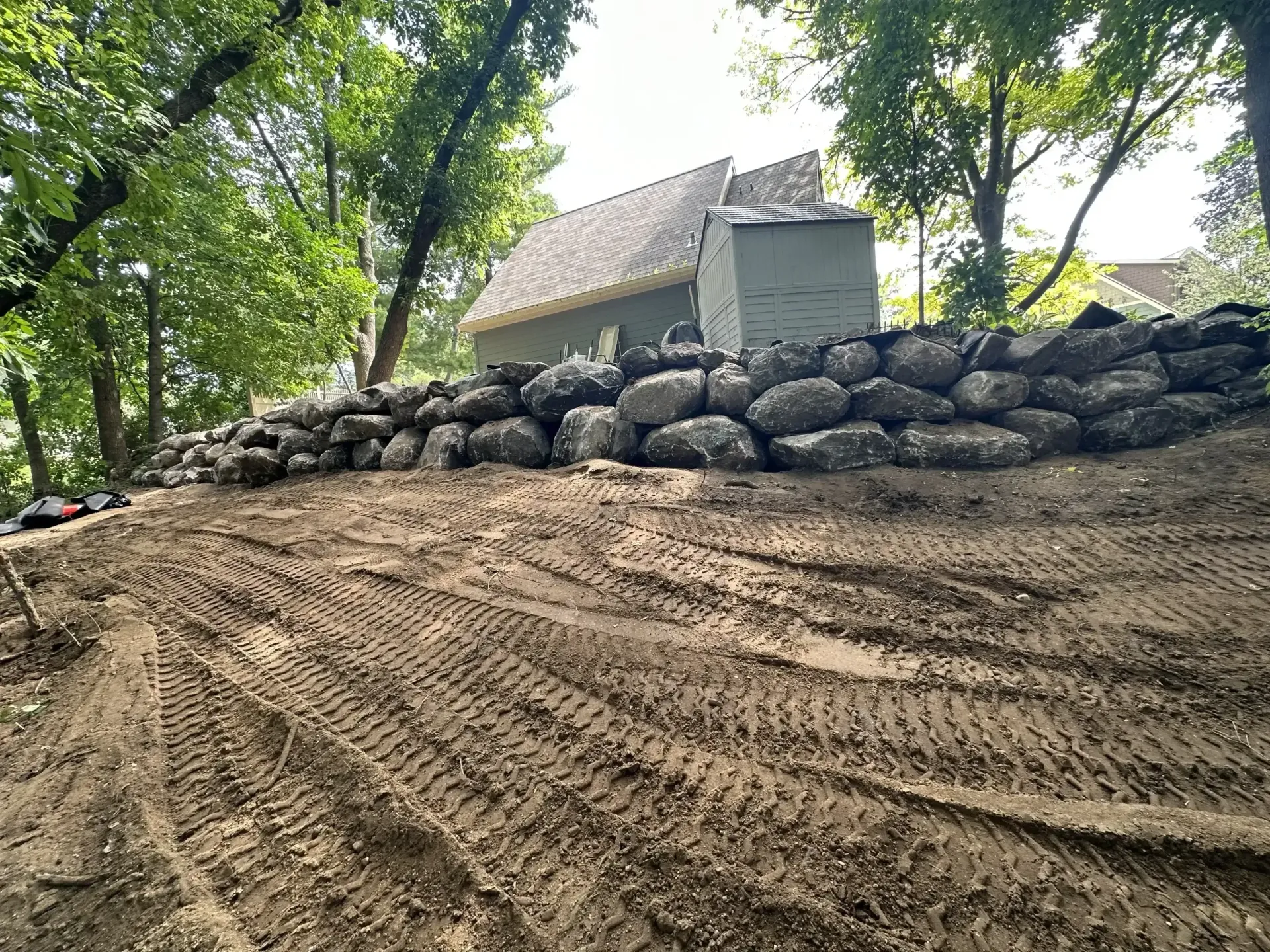
A retaining wall is a structural system designed to hold soil in place when natural ground conditions would otherwise allow it to shift or erode. In residential settings, retaining walls are commonly used to stabilize slopes, protect foundations, improve drainage, and create level areas for landscaping or patios.
Unlike decorative garden walls, a true retaining wall is engineered to withstand soil pressure and water buildup. This is especially important for wall retaining in Buffalo, MN, where freeze and thaw cycles can weaken soil structure over time.
Many homeowners choose
retention wall blocks because they are engineered for strength, consistency, and durability. These blocks interlock and are designed specifically to handle the pressure created by soil and water behind the wall.
Clear Signs You May Need a Retaining Wall
Ongoing Soil Erosion
If soil washes away every time it rains or snow melts, your yard is losing stability. Over time, erosion can damage landscaping, expose roots, and even threaten nearby structures..
Water Flowing Toward Your Home
Water should drain away from your foundation. If runoff consistently moves toward your house, a retaining wall combined with proper drainage can redirect water safely.
Steep or Unusable Slopes
Sloped yards are difficult to maintain and limit how you can use your outdoor space. Retaining walls allow homeowners to terrace steep areas and create flat, functional zones.
Cracks in Concrete or Hardscaping
When soil shifts underneath driveways, walkways, or patios, cracking often follows. A block wall retaining wall helps stabilize the ground and reduce movement.
Leaning Fences or Landscape Features
If fencing, garden borders, or steps are tilting, the soil beneath them is moving. This is often one of the earliest signs that a retaining wall is needed.
Why Retaining Walls Are Especially Important in Buffalo, MN
Soil conditions in central Minnesota are heavily affected by seasonal moisture changes. Spring snowmelt, summer rain, and winter freeze cycles all put pressure on sloped ground. Without proper support, soil gradually shifts downhill.
Homeowners looking for wall retaining in Buffalo, MN often discover that small issues turn into larger problems when left unaddressed. Installing a retaining wall early can prevent foundation damage, drainage failures, and costly repairs later.
If you are exploring professional solutions, Kurilla Contracting provides experienced retaining wall services in Buffalo, MN, designed specifically for local soil and weather conditions. You can learn more about their approach on their retaining wall services page.
How Retaining Walls Actually Work
A retaining wall system relies on more than stacked blocks. Proper installation includes:
- A compacted gravel base for stability
- Engineered retention wall blocks that lock together
- Drainage stone behind the wall
- Perforated drain pipe to relieve water pressure
- Correct backfill material
Water pressure is one of the leading causes of wall failure. That is why professional installation is critical, especially for walls over three feet tall.
Choosing the Right Retaining Wall Material
Block Retaining Walls
Block systems are one of the most popular options for residential projects. They offer:
- Long service life
- Strong structural performance
- Clean, attractive appearance
- Flexibility for curves and tiered designs
For most homeowners, a block wall retaining wall provides the best balance of durability, appearance, and value.
Timber Walls
Wood walls are less expensive upfront but typically have a shorter lifespan and higher maintenance needs.
Natural Stone
Stone walls offer a premium look but require skilled installation and a higher budget.
Do You Need a Professional or Can You DIY?
Small decorative walls may be manageable for experienced homeowners, but true retaining walls require proper engineering. Mistakes with drainage, base preparation, or block alignment can lead to failure within a few years.
Hiring a professional ensures:
- Proper water management
- Long-term structural stability
- Compliance with local codes
- Reduced risk of costly repairs
For properties in and around Buffalo, working with a contractor familiar with local conditions makes a significant difference in long-term performance.
Cost Considerations for Residential Retaining Walls
The cost of a retaining wall depends on:
- Wall height and length
- Material choice
- Drainage requirements
- Site access and excavation needs
While block walls may cost more initially than timber, they typically last much longer and require less maintenance over time.
When You Should Act Right Away
Do not delay if you notice:
- Severe erosion after storms
- Water pooling near your foundation
- Rapid soil movement on slopes
- Structural cracking near retaining areas
Early action can prevent extensive damage and higher repair costs.
Why Retention Wall Blocks Are a Smart Choice
Retention wall blocks are engineered specifically for load-bearing applications. Their uniform size and interlocking design create a strong, reliable structure that performs well in residential settings.
For homeowners seeking a dependable long-term solution, these systems offer peace of mind along with a polished finished look.
Conclusion
Knowing when you need a retaining wall comes down to understanding how your property responds to water, gravity, and seasonal change. If your yard shows signs of erosion, drainage problems, or shifting soil, a professionally installed retaining wall can protect your home and improve your outdoor space.
For homeowners searching for wall retaining in Buffalo, MN, investing in a properly designed block wall retaining wall is one of the most effective ways to stabilize your property and increase its usability. Addressing these issues early helps avoid structural damage and keeps your landscape working for you, not against you.
Frequently Asked Questions
How high can a retaining wall be without a permit in Buffalo, MN?
Permit requirements vary, but walls over three to four feet often require approval. A local contractor can help verify requirements.
What is the best retaining wall option for residential properties?
Block retaining walls are commonly recommended due to strength, drainage performance, and longevity.
How long do retention wall blocks last?
When installed correctly, block systems can last for decades with minimal maintenance.
Can a retaining wall improve drainage issues?
Yes. Properly designed retaining walls include drainage systems that redirect water safely away from structures.
Is a retaining wall necessary for small slopes?
Even moderate slopes can cause erosion over time. A professional evaluation helps determine whether a wall is needed.
Strong Call to Action
If you are seeing signs of erosion, drainage problems, or unstable slopes on your property, now is the time to take action.
Kurilla Contracting specializes in residential retaining walls, excavation, and site solutions tailored to properties in Buffalo, MN and surrounding areas. Their team understands local soil conditions and builds retaining walls that last.
Location: Buffalo, MN
Phone: (763) 464-5966
Email: austin@kurillacontracting.com
Request a consultation.
Reach out today to schedule a site evaluation and get expert guidance on whether a retaining wall is right for your property.
Other Articles